
Vintage Vs. Reissue: Are Old Guitars Actually Worth The Money?

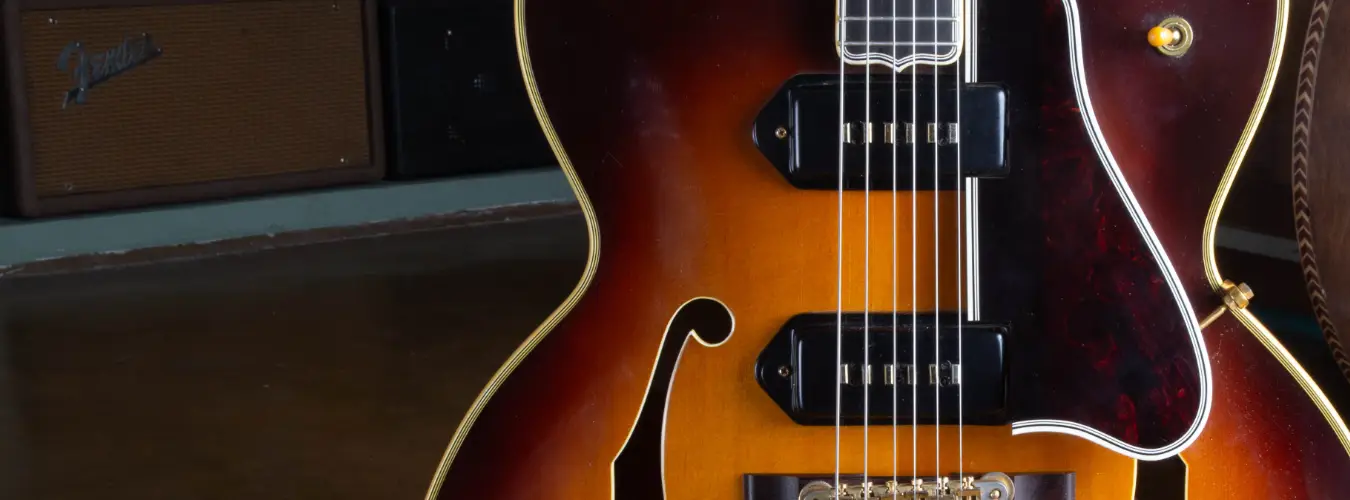
I sell vintage guitars for a living, so you’d expect me to tell you the old one always wins.
I won’t.
A guy emailed me last month, torn between a real 1964 Stratocaster and a new Custom Shop reissue of the same year.
Similar guitar, very different price.
His question was the one I hear more than any other: which is actually the better buy?
The real answer is that it depends on the player, and after twenty-odd years of doing this I’ve got a pretty simple way of working out which way someone should jump.
First, what actually counts as “vintage”?
People use the word loosely.
To most collectors it doesn’t just mean old. It means a specific golden era, when a handful of factories were building instruments that later turned out to be very hard to beat.
Roughly:
- Fender: the pre-CBS years up to early 1965 are the blue-chip stuff. The later ’60s and ’70s have their fans too, and cost a lot less.
- Gibson: the 1950s and early ’60s. This is the holy-grail territory of ’59 Les Paul Standards and dot-neck ES-335s.
- Reissue: a new guitar built to recreate one of those classics. Think Fender’s American Vintage and American Original lines, or Gibson’s Custom Shop and Murphy Lab.
A late-’80s Strat is plenty old, but it isn’t “vintage” in the way a collector means it.
Miss that distinction and the prices you see out there will make no sense at all.
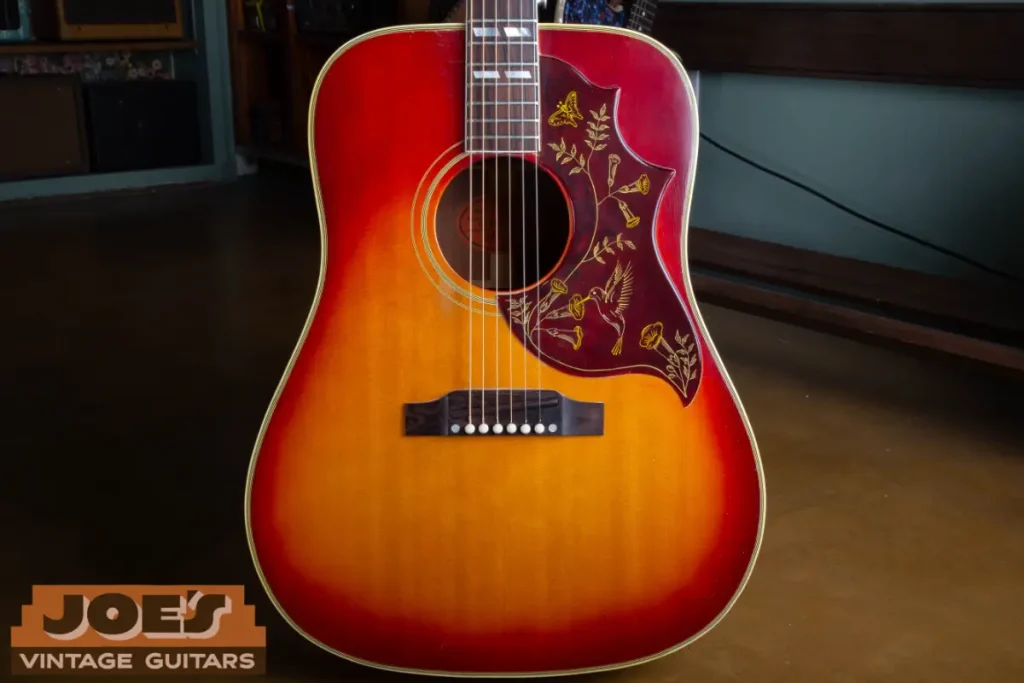
The case for the real thing
Buy a genuine golden-era guitar and you’re getting more than an instrument.
You’re getting a piece of history you can plug in and play.
A ’62 Strat was already hanging in a shop window when Kennedy was in the White House, and for a lot of players that’s the whole appeal right there.
The money side holds up, too.
Correct, original examples from the best years have quietly been one of the better places to park a few thousand dollars over the last few decades. The reissue on the wall next to it won’t do that for you.
And yes, there’s the feel.
Sixty years of honest playing wear, a thin nitro finish that’s checked and breathing, hardware that’s worn in rather than worn out.
A new guitar can imitate all of that, but it can’t earn it.
You’ll notice I still haven’t mentioned tone, and that’s on purpose: a good reissue gets closer to the sound than most people admit, and whether old wood is actually “better” is a fight I’ll happily leave to Tone Island’s article on the tonewood debate.
History and a track record are the parts a reissue can’t copy.
The case for the reissue
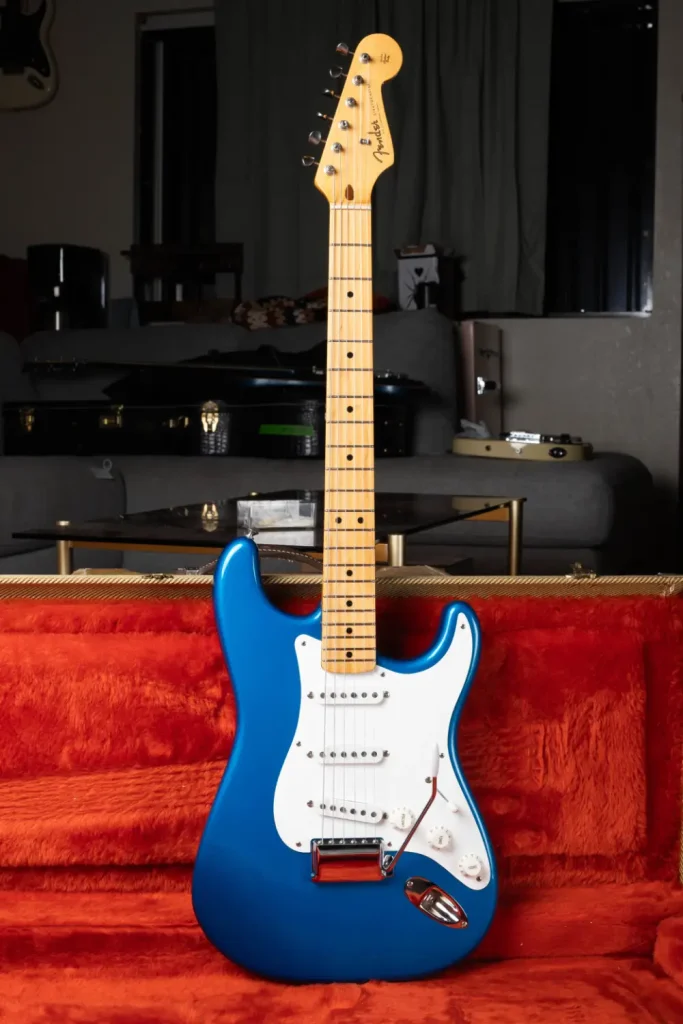
Now the other side, which is stronger than a lot of purists want to hear. Modern reissues are very, very good.
Fender’s Custom Shop and Gibson’s Murphy Lab are nailing the specs, the finishes, even the worn-in feel, and something like the Music Man StingRay RS shows how well a modern build can wear vintage DNA without pretending to be a relic.
Past that, the practical case writes itself:
- You can actually play it. No 60-year-old solder, no panic when the temperature drops or the headstock takes a knock at a gig.
- It’s a fraction of the price. A new Custom Shop ’59 might run around $5,000 to $6,000. A real one is a six-figure guitar.
- It comes with a warranty. You know exactly what you’re getting, and if something’s off, someone else fixes it.
For a working player who just wants that classic look and sound on stage this weekend, the reissue is very often the smart money.
There’s no shame in it.
Where each one bites you
Neither road is free of potholes, and this is where people lose money.
With vintage, the danger is originality. A refinish, a swapped pickup, a headstock repair, a re-fret; any one of those can knock anywhere from 30% to 70% off what a guitar is worth, and plenty of sellers won’t bring it up unless you make them.
Condition and originality are the whole ballgame here. Get detailed photos, ask blunt questions, and read up on what to look for before you commit. Tone Island’s guide to buying pre-owned guitars is a good place to start.
Outright fakes and parts-bin “franken-guitars” are out there too. If real money is changing hands, make sure the guitar is what the seller says it is. I start with the serial number every single time. (If you want to sanity-check one yourself, I keep fairly detailed Fender and Gibson dating guides on my own site.)
A second opinion from someone who does this daily is cheap next to the cost of getting it wrong.
Reissues bite you later, on resale.
Buy new and it depreciates like a car pulling off the lot. It’ll always be “the reissue,” and it’ll never carry the story of an original.
If you flip guitars, that stings. If you’re keeping it forever, you’ll never care.
So, is the old one worth the money?
Here’s how I usually leave it with people.
Go vintage if you want an investment-grade instrument, you actually care about originality and history, and you can afford to buy a correct example from someone who’ll be straight with you.
Bought right, it’s a joy to own and a real store of value. Bought wrong, it’s an expensive lesson you’ll be explaining to your spouse for years.
Go with the reissue if you want something reliable and giggable that still has the classic look and tone, you’re watching the budget, or you’d simply rather play than spend your weekends authenticating.
Some of the best-sounding guitars that have come through my shop this year were built last year.
Honestly, for most players the great reissue is the smarter buy.
Vintage earns its premium when it’s the right guitar, bought carefully, not just because it happens to be old. Get that part right and the old one is absolutely worth it. Get it wrong and you’ve paid vintage money for a very expensive headache.
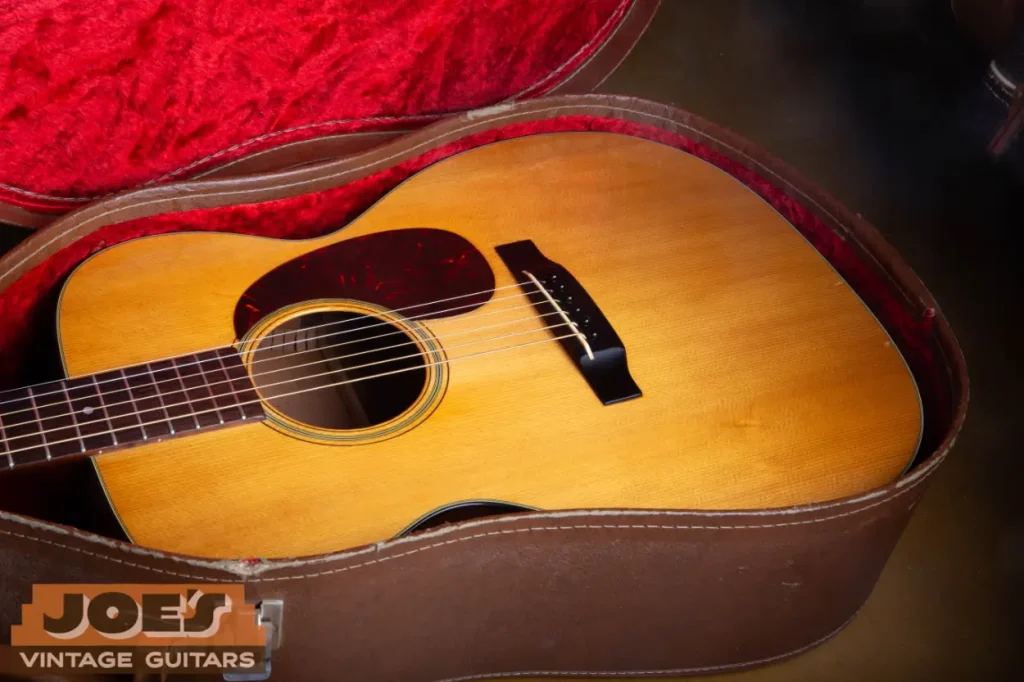
And if you do find one you’re serious about and want a straight answer before you hand over the cash, that’s the kind of thing I’m always happy to look at.
Better to ask first.
Image credits: Joe’s Vintage Guitars // Used With Permission.
